

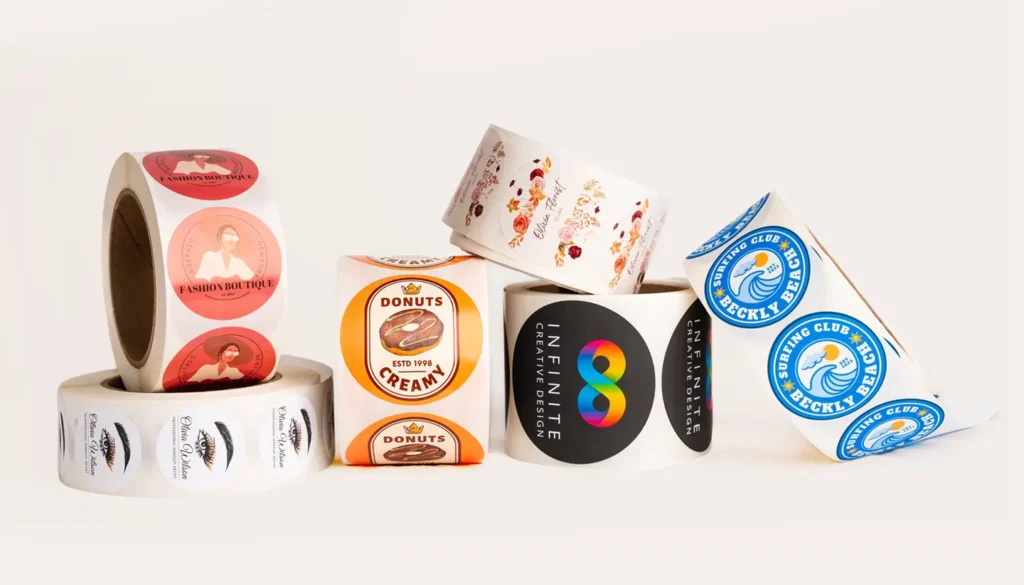
Label sticker printing helps small businesses identify products, share essential information, and build brand recognition. Choosing the right material, size, adhesive, and printing method ensures labels look professional and perform well for their intended use.
With a clear design and a suitable budget, businesses can create useful product labels without ordering more than they need.
Starting a small business means making lots of little decisions. Packaging is one of them. You want your products to look good, your brand name to be easy to recognize, and your costs to stay under control. Labels might seem like a small detail, but they can help bring everything together.
From homemade candles and skincare products to bakery boxes, bottles, and gift packaging, businesses use printed labels in many ways. In Dubai, where small brands sell through stores, markets, online shops, and social media, good packaging can help customers recognize a product more easily.
Before placing an order for label sticker printing, it helps to understand what your products need and which options are worth paying for.
Why Do Small Businesses Need Printed Labels?
A product label does more than display a logo. Label sticker printing helps small businesses present the product name, ingredients, size, contact details, and other important information customers may need. The exact details depend on the product and any labeling rules that apply.
Labels also help keep your branding consistent. When your logo, colors, and fonts look similar across your packaging, customers can recognize your products more easily.
For example, a small bakery may use labels to seal boxes and display product details. A skincare business may need labels that fit bottles and jars without peeling off easily. A clothing brand might use stickers on packaging to add a finishing touch.
Good stickers label printing starts with understanding the job each label needs to do. A label for a dry cardboard box may not need the same material as one placed on a bottle that gets wet.
Choosing the Right Label Material
1. Paper Labels
Paper labels are often suitable for product boxes, paper bags, jars kept in dry conditions, and other indoor packaging. They can work well for simple designs and are available in different finishes.
They may not be the best choice for products exposed to moisture, frequent handling, or rough conditions. If the label needs to stay in place around water, ask about more suitable materials.
2. Vinyl Labels
Vinyl labels are flexible and can offer better resistance to moisture than many standard paper labels. They may suit bottles, containers, and products that need a more durable label.
However, performance depends on the vinyl, adhesive, surface, and exposure conditions. Always explain how and where the label will be used before choosing the material.
3. Clear Labels
Clear labels let part of the product or packaging show through. They can work well on glass bottles, jars, and containers when the design needs a simple look.
Keep in mind that small text and light-colored designs may be harder to read on certain backgrounds. A sample can help you check the contrast before ordering a large quantity.
Comparing Common Label Options
| Label Type | Best For | Main Benefit | What to Consider |
| Paper | Boxes and dry packaging | Often budget-friendly | Can be affected by moisture |
| Vinyl | Bottles and durable packaging | Flexible and moisture-resistant options | Material and adhesive quality |
| Clear | Glass and transparent containers | Shows the packaging underneath | Text visibility and contrast |
| Matte finish | Simple, low-glare designs | Soft appearance | May show marks depending on material |
| Gloss finish | Bright product designs | Shiny surface and vivid appearance | Reflections may affect readability |
How to Design Labels That Look Good
You do not need a complicated design to make a label work. In fact, too much information can make it harder to read.
Start with your logo and product name. Then add the details customers need. Use fonts that remain readable at the actual printed size, and make sure the text contrasts with the background.
For labels and stickers printing, artwork quality also matters. A logo that looks sharp on a large computer screen may become blurry when printed very small. Use a high-resolution file and confirm the label dimensions before sending the design for production.
It is also worth checking the shape of your packaging. A label that looks good on a flat box may wrinkle when applied to a curved bottle. Ask for a sample if the packaging has unusual curves or a narrow surface.
Choosing the Right Printing Method
Digital Printing is often useful for small businesses that need shorter runs or expect to update their designs regularly. It can be practical for new products, seasonal packaging, or testing different label designs.
Offset Printing may suit larger quantities where consistent results across a high-volume order are important. The right method depends on the quantity, artwork, material, and production requirements.
When comparing label sticker printing quotes, look beyond the price per label. Check whether the price includes cutting, finishing, artwork setup, and delivery. Also confirm the minimum order quantity so you do not end up with labels you cannot use.
Practical Tips Before Ordering
- Measure the exact area where each label will go.
- Choose an adhesive that suits the packaging surface.
- Consider moisture, heat, and frequent handling.
- Keep the design simple and the text readable.
- Request a sample or proof before approving the full order.
- Order a quantity you can use before changing your packaging.
- Check spelling, colors, dimensions, and product details carefully.
For businesses ordering stickers label printing in Dubai, delivery time and storage are also worth considering. Keep unused labels in a clean, dry place and follow the supplier’s storage instructions to help protect the adhesive and printed surface.
At Color Print LLC, we help businesses consider their label materials, design requirements, and printing options before production. Sharing your product type, packaging size, expected quantity, and intended use makes it easier to discuss suitable choices.
FAQs
1. What is the best material for product labels?
Paper can suit dry packaging, while vinyl may be better for products exposed to moisture. The best option depends on the packaging surface and how the product will be stored and handled.
2. Can small businesses order labels in small quantities?
Yes, depending on the printing method and supplier’s minimum order requirements. Digital printing can be useful when you need a smaller quantity or want to test a design.
3. Are vinyl labels waterproof?
Some vinyl labels offer good water resistance, but the full label’s performance depends on its adhesive, finish, and application. Confirm the requirements with your printing provider.
4. How can we reduce label printing costs?
Choose practical sizes, keep the design simple, compare printing methods, and order a quantity you can use. Always compare the full quote rather than only the unit price.
5. Can labels be used on bottles and jars?
Yes. The material and adhesive should suit the container’s surface and shape. Test a sample to check that the label sits smoothly and stays attached.
6. What should be included on a product label?
This depends on the product. Common details include the product name, brand, quantity, ingredients where relevant, and contact information. Check applicable labeling rules for your product category.
Wrap Up
Labels can help small businesses present products clearly and keep their packaging consistent. The right material, adhesive, size, and finish depend on how each label will be used, so it is worth checking these details before placing an order.
With thoughtful labels and stickers printing, businesses can create packaging that looks good and serves a practical purpose. Start with your product requirements, set a realistic budget, and choose a design that customers can read easily.