


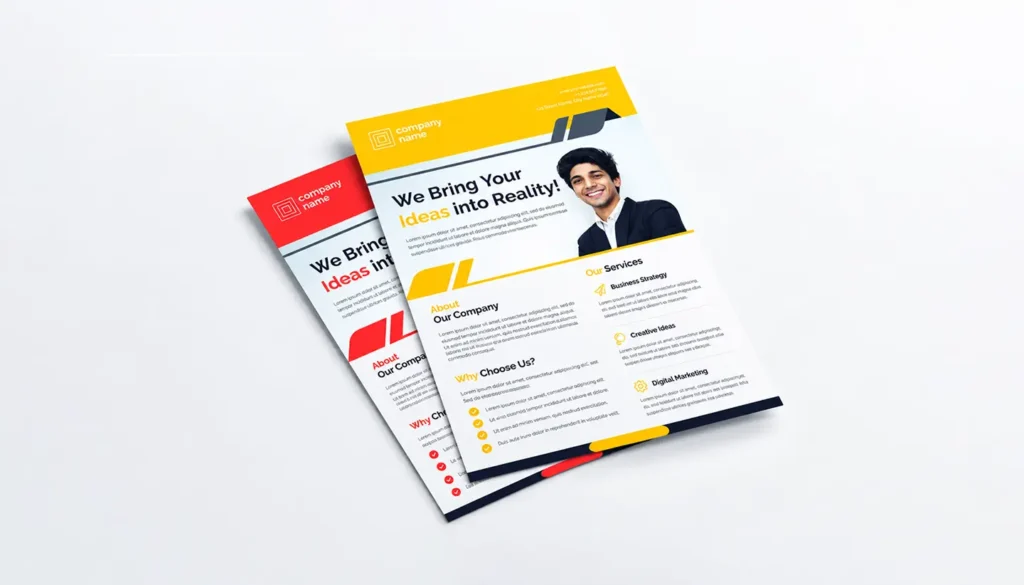
Digital Printing and Offset Printing are two common methods used for business materials. Digital Printing is often suitable for smaller quantities and projects that need quick changes, while Offset Printing is commonly chosen for larger orders with consistent color requirements. The right option depends on quantity, artwork, budget, and delivery time.
You have a new promotion to launch, business cards to print, or a set of brochures to prepare for an upcoming event. The design is ready, but there is still one question: which printing method should you choose?
It may seem like a small detail, but the printing process can affect the cost, finish, and time needed to complete your order.
When working with a printing company in Dubai, it helps to understand the basic differences between printing methods. You do not need to know every technical detail. A little knowledge can help you explain what you need and make a better decision.
Let’s look at some common printing options and how to choose between them.
Digital Printing vs. Offset Printing
Both methods are widely used for commercial printing, but they work differently.
| Feature | Digital Printing | Offset Printing |
| Suitable quantity | Small to medium orders | Medium to large orders |
| Setup | Usually requires less setup | Requires plate preparation |
| Design changes | Easier to update between prints | Changes may require new setup |
| Common uses | Flyers, business cards, short-run brochures | Bulk brochures, catalogs, and stationery |
| Production planning | Useful for shorter timelines | Better planned for larger print runs |
There is no single method that works best for every project. If you need a small number of promotional flyers, digital printing may be practical. If you need thousands of brochures with consistent colors, offset printing may be worth considering.
A reliable printing company in Dubai can review your quantity, design, and deadline before recommending an option.
1. Start With the Purpose of Your Print Project
Before discussing materials or prices, think about why you need the printed items.
Are you promoting a new product? Preparing for an exhibition? Giving customers information about your services? Each purpose calls for a different type of printed material.
For example:
- Business cards help customers keep your contact details.
- Flyers share offers, announcements, and event information.
- Brochures explain products or services in more detail.
- Posters display messages in stores and public spaces.
- Stickers support product labels and packaging.
- Banners help businesses display messages at events and outdoor locations.
Choosing the right material from the beginning can save time and prevent unnecessary printing.
2. Understand the Materials and Finishes
Paper type and finish affect how printed materials look and feel. A brochure that will be handled often may need a different paper weight from a one-time promotional flyer.
Here are a few details to consider:
Paper weight: Thicker paper is often used for business cards and premium brochures, while lighter paper may suit flyers distributed in large quantities.
Matte finish: This gives the surface a softer appearance and reduces shine.
Gloss finish: This adds shine and can make photographs and colors stand out.
Lamination: A protective layer can help reduce everyday wear and make certain printed items easier to clean.
For posters, banners, and display graphics, material selection also depends on where the item will be placed. Indoor and outdoor applications may need different materials.
3. When Do You Need Large Format Printing?
Some messages need more space. Large Format Printing is commonly used for banners, posters, exhibition graphics, window displays, and signage.
The main purpose is visibility. A banner at a trade show, for example, should be easy to read from a distance. This means the text should be large, the message should be short, and the design should not be crowded.
Businesses looking for an advertising company in Dubai may also need printed materials as part of a wider promotional campaign. Large graphics can support advertising at events, retail locations, and business premises.
Before printing, check the installation space and final dimensions. Artwork prepared for a small flyer may not work well when enlarged.
4. Keep Your Branding Consistent
Imagine receiving a business card with one logo design, visiting a website with different colors, and then seeing a brochure with another style. It can make a business feel less organized.
Consistency helps customers recognize your brand across different materials.
Try to use the same:
- Logo and brand colors
- Font styles and text sizes
- Contact details
- Image style
- Tone of voice
An advertising company in Dubai can help businesses plan how their printed materials fit into wider branding and promotional activities.
For example, a retail business may use matching designs across shopping bags, product stickers, flyers, and promotional posters. This creates a more connected appearance.
5. What to Consider When Planning Your Printing Budget
Printing costs depend on several details. The number of copies is important, but it is not the only factor.
Other things that may affect your budget include:
- Paper or material selection
- Final dimensions
- Color requirements
- Finishing options
- Artwork preparation
- Production quantity
- Delivery and installation needs
If you are ordering a large quantity, ask whether a sample or proof is available before full production. It gives you a chance to check colors, layout, spelling, and overall appearance.
A printing company in Dubai should be able to explain the specifications included in a quotation so you can compare options properly.
6. How to Prepare Artwork Before Sending It to Print
Even a good design can cause problems if the artwork is not prepared correctly.
A few checks can make the process easier:
- Use high-resolution images to avoid blurry results.
- Check spelling, phone numbers, and website addresses.
- Keep important text away from the edges.
- Use the correct dimensions for the final product.
- Confirm the required color format with the printer.
- Review the final proof before approving production.
It is also useful to keep an editable copy of your artwork. If you need to update an offer or contact detail later, you will have a starting point.
FAQs
1. What is the difference between Digital Printing and Offset Printing?
Digital Printing transfers artwork directly to the printing surface, while Offset Printing uses plates to transfer ink. Digital is often useful for smaller orders, while offset is commonly used for larger quantities.
2. Which printing method is more affordable?
It depends on the quantity, material, and design. Digital printing may be more practical for small orders, while offset printing can offer better value for larger print runs.
3. What is Large Format Printing used for?
It is commonly used for banners, posters, exhibition displays, window graphics, and large promotional signs.
4. What files should I send for printing?
Printers commonly accept print-ready PDF files. Requirements can vary, so confirm the file format, dimensions, resolution, and color settings before sending artwork.
How Color Print Helps With Business Printing
From everyday stationery to promotional displays, businesses use printed materials in many ways. At Color Print we help customers consider the right printing method, material, size, and finish for their projects.
Whether you need brochures for a sales meeting or banners for an exhibition, the specifications should match the purpose and expected use.
Businesses looking for an advertising company in Dubai may also need printing as part of their brand promotion. Keeping the design and production requirements aligned can make campaign materials easier to manage.
A good printing company in Dubai should help you understand these options so you can prepare printed materials that suit your business and budget.