


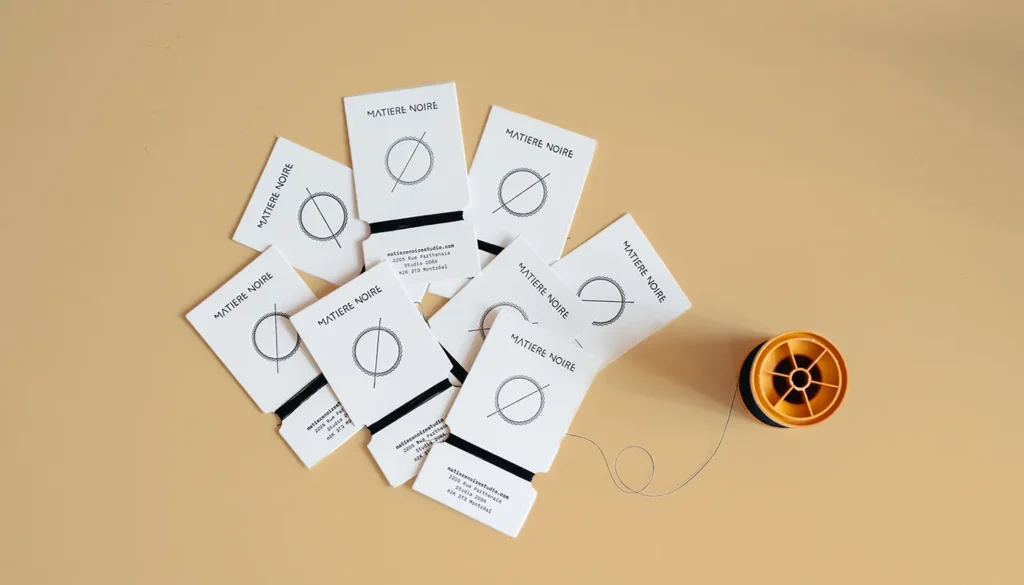
Most people order business cards the same way they order anything they don’t fully understand. They pick what looks familiar, go with whatever the default option is, and hope it comes back looking decent.
Sometimes it does. Sometimes it comes back feeling thin, or the finish isn’t quite what they pictured, or the color is slightly off from what was on screen. And because business cards feel like a small purchase, the frustration gets absorbed rather than investigated.
The thing is, business cards printing has a few specific variables that make a real difference to the finished result and none of them are complicated once someone explains what they actually mean. This is that explanation.
Size: Why Standard Exists and When to Break From It
The standard business card size used almost everywhere, including across printing press in Dubai suppliers, is 85mm by 55mm. That’s the size that fits in wallets, card holders, and the little pocket in most bags. It’s standard because it works and because the people receiving your card expect it.
Deviating from that size is a choice worth making deliberately rather than accidentally. Square cards are popular with creative industries and tend to get kept because they don’t fit the standard slot and therefore don’t disappear into a pile.
Slim cards, narrower than standard, have a modern, minimal feel that suits certain brand identities well. Folded cards give you more surface area for information without increasing the footprint.
The consideration with non-standard sizes is always practical. A card that doesn’t fit a wallet gets left on a desk, which can work in your favor or against you depending on the context.
For most professional settings in Dubai, standard size is the safe and sensible choice. Non-standard works when the brand identity justifies the departure.
Stock: What GSM Actually Means for How the Card Feels
GSM stands for grams per square meter. It’s the measurement used for paper weight and it directly determines how a card feels in the hand.
Here’s a rough guide to what the numbers mean in practice:
- 300gsm is the entry point for professional business cards printing. It feels like a proper card rather than a piece of paper. Adequate for most applications.
- 350gsm is where most quality business cards printing sits. Noticeably more solid, holds its shape, feels more premium without being excessive.
- 400gsm and above starts to feel genuinely thick and substantial. Often used for luxury or high-end brand positioning where the card itself is meant to make a statement.
A card under 300gsm feels flimsy. It bends when held from one end, it picks up marks easily, and it communicates something about the brand that most businesses don’t intend.
When someone hands over a thin card in Dubai’s professional environment where presentation is taken seriously, it registers.
The stock also affects what coating options work well on it which brings us to the next decision.
Coating Options: What Each Finish Does and Who It’s For
This is where business cards designs really separate themselves and where most people have the least clarity before they order.
Gloss Lamination is the Shiny Finish
It makes colors more vibrant, it’s wipe-clean, and it has a polished look that photographs well. It’s the most common finish and it works for most industries. The downside is that it shows fingerprints and can feel slightly corporate rather than premium depending on the design.
Matte Lamination is the Flat, Non-reflective Finish
It feels smooth and considered in the hand. Colors are slightly more subdued than gloss but the overall impression is more sophisticated. Writing on a matte card with a pen is easier which matters for cards where people add notes. A lot of professionals in Dubai have moved toward matte for exactly this reason.
Soft Touch Lamination is Matte Taken Further
The surface has a slightly velvety, rubberized texture that feels noticeably different from any other finish. It’s tactile in a way that makes people comment on it. It’s also more expensive and slightly more prone to scuffing with heavy use, but for premium positioning it’s one of the most effective options available from any printing press in Dubai.
Spot UV is a Coating Applied Selectively Over Specific Design Elements
These are usually the logo, while the rest of the card stays matte. The contrast between the shiny spot and the flat background creates a visual and tactile effect that stands out without being loud. It’s a finish detail that makes business cards designs feel genuinely premium without requiring an unusual shape or size.
Foil Stamping Uses Metallic Foil Applied Under Heat to Specific Elements
Gold, silver, rose gold, and other metallic options are available. It’s a luxury finish that works for brands where that level of presentation is appropriate.
The Practical Takeaway
The decisions that matter most for a business card are stock weight and finish. Get those two things right and the design does the rest of the work.
For most professionals in Dubai, 350gsm with matte or soft touch lamination is the combination that consistently lands well. It feels premium, it holds up through a day in a wallet or bag, and it positions the brand appropriately without overdoing it.
Color Print works with businesses across Dubai on business cards printing where the brief covers all of these variables before anything goes to print. A card that feels right in the hand is one that was specified correctly before production started, not adjusted afterward.
That’s the whole conversation. Now you know what to ask for.