


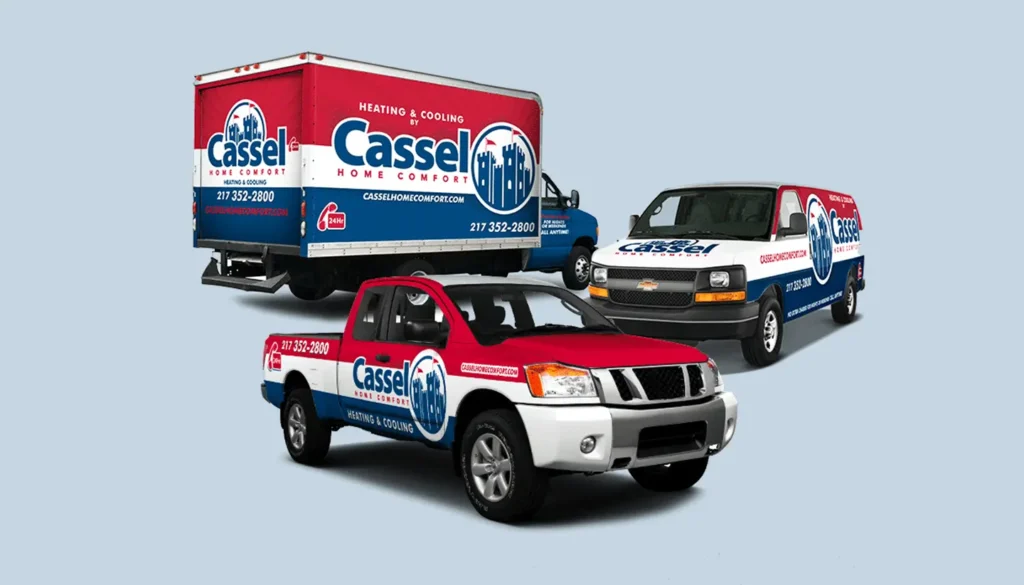
In today’s world of digital revolution and technology upgrades, GPS and location technology have evolved incredibly over time. However, practically, accurate GPS route data can help your fleet advertising by giving a serious enhancement. The whole process lets you tailor messages to the target audience in the locality and ultimately track the enquiries you get in the vicinity.
A delivery van that rumbles through Business Bay, a maintenance vehicle that parks in Dubai Hills, and a service car cruising through Deira are all servicing very different crowds. Yet many fleets just slap on the same old design and make the same offer to everyone.
A vehicle branding in Dubai that really works starts with understanding the patterns of movement. Your GPS records will reveal which roads are your most popular routes, which communities you keep visiting, and how long you like to linger. When you combine this with data on your customers, you get a clearer picture of each vehicle’s local purpose. And don’t forget to think about visibility, durability, how long it’ll last, and how it’s being used when planning your design.
Why Route Quality Beats Total Distance
Just looking at how far a vehicle travels doesn’t tell you much. Has it been spotted by the right people, or has it been driving around in a blind spot?
Focus on three key factors:
Route Frequency
Find the roads and areas that vehicles visit over and over. Consistent messages can really help to build recognition when the design stays the same.
Dwell Time
Identify the places where vehicles park for a while or move at a crawl. Streets lined with houses, loading areas, and commercial entrances often give you more opportunities to get noticed than highways do.
Audience Fit
Compare each route with likely buyers. A premium property service may prioritise affluent communities, while a restaurant supplier may focus on hospitality districts.
Route-Based Fleet Campaign Comparison
| Fleet pattern | Likely audience | Message focus | Measurement |
| Residential routes | Homeowners and tenants | Trust and booking | Unique call number |
| Business districts | Managers and office teams | Capability and response time | Route landing page |
| Hospitality zones | Hotels and restaurants | Offer and quick enquiry | Short QR link |
| Industrial routes | Procurement teams | Capacity and reliability | Vehicle enquiry code |
To excel in the process you have to keep the logo, colours and typography consistent across all batches. And the headline must be engaging and sleek while service emphasis or call to action by route cluster.
Turning GPS Data into a Design Brief
Group Vehicles by Patterns of Behaviour
Group your vehicles by their similar routes, stops, and target markets rather than just their model or branch. This means each group can get a message that makes sense for their specific area.
Design for Where and When it Will Be Viewed
If a vehicle spends most of its time zipping along Sheikh Zayed Road, you’ll need to use big letters, lots of contrast, and keep the headline short & sweet. But if a van is mainly parked outside customer premises, you can afford to get more detailed.
Keep the back of the vehicle simple so traffic drivers can easily see it, and use the sides for your main message. Don’t put any important text where it’ll get in the way of handles or curves.
Pick the Right Materials for UAE Conditions
For long-term fleet graphics, you need to use the right exterior vinyl, lamination, and installation methods. Glossy can make the colours pop, but matte can reduce glare.
But the desert sun, dust, and washing can expose weak edges. Taking care of the paintwork, doing the application right, and getting it checked for any problems will help stop it peeling off too soon.
For shorter campaigns, consider just using partial graphics or easy-to-change message panels to reduce waste. And when it comes to sustainability, try to avoid having to reprint everything as soon as one promotion changes.
Accountability of Results
Give each route group a unique phone extension, landing page, QR code, or enquiry code to track leads in those areas. Then compare how many enquiries you get in different neighbourhoods, how well your vehicles are converting, and more.
QR codes tend to work better for vehicles that aren’t moving, because they can be scanned by people who are standing still. But if your vehicle is zipping through traffic, a memorable phone number or short website address is a lot easier to remember.
A vehicle branding online UAE process can manage your vehicle templates, artwork versions, and route codes before you print them. This helps prevent outdated contact details and makes sure your graphics stay up to date.
Plan Compliance Before You Start Advertising Your Vehicle in Dubai
Dubai vehicle advertising requires some form of approval and supporting design documents, so you need to be aware of what’s needed before you begin. According to Mada Media, commercial vehicle applications require artwork that shows all four sides of the vehicle, along with a copy of your Dubai trade licence. Other vehicle categories have different requirements, so it’s worth checking those out too. So, in order to get it right, it’s best to plan out your route-specific versions before you go to print.
Practical Tips for Running a RouteLed Campaign
When it comes to deciding where to put your messages, you need to be careful not to let one unusual week skew the stats. You’re better off working with aggregated route patterns rather than individual driver data. Give each group just one primary message and make sure you test every link before you go to print. To save yourself some hassle in the long run, keep an artwork register so you can easily update or replace designs for any vehicles that get damaged or need a refresh.
When you are comparing vehicle branding online UAE suppliers, ask them about measurements, panel breaks, material suitability, colour consistency, installation conditions, and replacement graphics. It’s all about getting the fine details right.
Choosing a Printing and Signage Partner That Understands Your Needs
A good printing company should be able to connect your fleet branding with the wider brand system, including digital printing, offset printing, large format printing, packaging design, and signage solutions. Color Print, for example, not only offers fleet graphics but also 3D signs, printed packaging, and other business branding products, which means they can help you achieve visual consistency from the artwork on your vehicles right through to your storefront and customer-facing print.
Frequently Asked Questions
How Does GPS Data Help Improve Your Vehicle Graphics?
GPS data can help identify repeated routes and stops, which in turn helps you to tailor your messages to local audience patterns, rather than just focusing on total mileage.
Is This Strategy Suitable for a Small Fleet?
Yes, even a small fleet of two vehicles can make use of this strategy by using different service messages or tracking numbers, if they are covering different areas.
What Design Works Best for Vehicle Branding in Dubai?
Ultimately, the right layout depends on a number of factors, including the speed at which the vehicle is travelling, the viewing distance, the shape of the vehicle, and whether it is moving or parked.
Should Every Vehicle Have a Different Design?
Not necessarily. You should aim to preserve the core brand elements and then vary only the relevant message or call to action.
How Can Fleet Enquiries be Tracked?
You can use unique phone extensions, short URLs, QR codes, or promotional codes linked to each vehicle group to track your fleet enquiries.
What Do You Need to Order Fleet Graphics Online?
You’ll need some vehicle details, high-resolution brand files, approved copy, route groups, and fourside mockups where required to get the ball rolling.
Conclusion
Concluding the final words that effective vehicle branding in Dubai is really helping certain groups in the right places, carrying a message that is relevant to that area, and giving your business a clear way to measure the response. If your fleet is already producing useful route data every day, then why not let that data play a part in deciding what each journey should be communicating?