


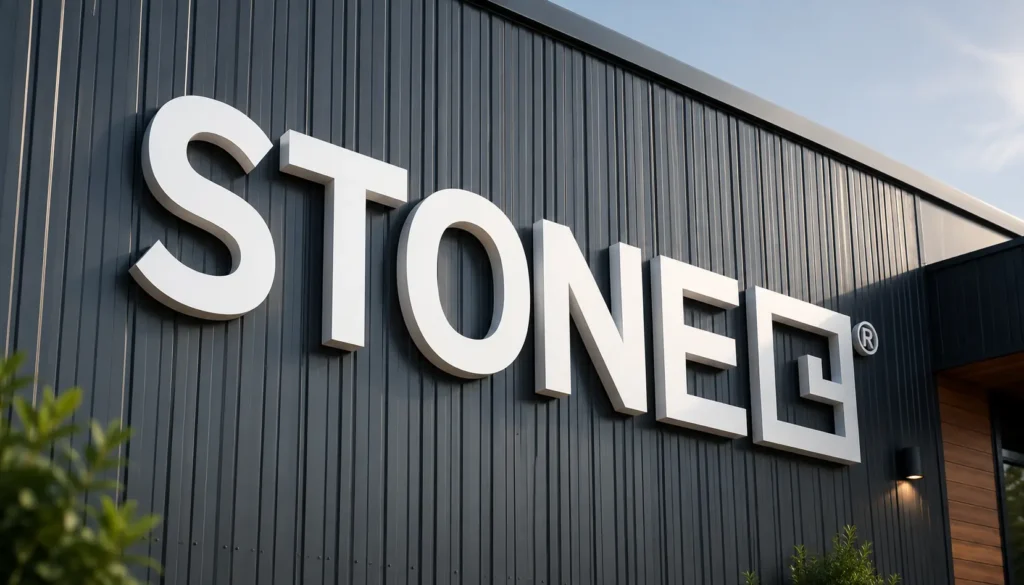
Acrylic, aluminum, and foam board are the three most common materials used for 3D sign boards. Acrylic suits indoor premium branding with clean edges and vibrant color.
The aluminum board withstands outdoor weather conditions and heat well. The foam board serves as a lightweight material for indoor use in case the budget doesn’t allow. The best material selection depends on the place of use, period of durability, and finish desired by the company.
One does not need to spend much time in well-designed offices, shopping centers or buildings in Dubai to notice that signs located at receptions or shops are three-dimensional. They stand out from the wall plane, look different depending on the angle of the sunlight, and tell something about the company even before you read anything on the sign.
However, there is one thing that clients ordering their first 3D sign board should understand, the type of material also matters. Selecting the wrong materials may result in a poorly-performing sign in its natural environment. Let’s find out what advantages and disadvantages these three materials have.
Material Comparison at a Glance
| Material | Best For | Indoor / Outdoor | Durability | Cost Range |
| Acrylic | Premium indoor branding, reception walls | Primarily indoor | High indoors, fades outdoors | Medium to high |
| Aluminum | Outdoor shopfronts, exposed environments | Indoor and outdoor | Very high | Medium to high |
| Foam Board | Budget indoor displays, temporary signage | Indoor only | Low to medium | Low |
Acrylic: The Go-To for Premium Indoor Signage
Acrylic is most likely the most common material used for 3D sign boards in the business and retail sector of Dubai. This can be explained by several factors.
This material can be cut into specific shapes easily, resulting in logos with detailed design and lettering with tight curves being precise instead of jagged. There are many color options to choose from, different finishes and thicknesses.
A frosted acrylic letter with a chrome face, a gloss painted back-lit panel, or a clear acrylic letter with a digital print behind it can all be achieved using the same material but will look completely different.
When installed using standoffs, acrylic letters provide a gap between the sign and the wall, providing the three dimensional effect. This is what distinguishes premium installations from ordinary ones.
Outdoor application is a disadvantage. Acrylic fades after long exposure to sunlight in Dubai, especially when it comes to colors different from white and black. If a sign is intended to be used on an outside wall or facade that is exposed to sunlight throughout the day, aluminum is better.
Common uses include reception wall branding, office lobby signs, retail indoor displays, hotel wayfinding, and corporate conference room signage.
Aluminum: Built for Outdoor Performance
Aluminum composite and solid aluminum are the materials that perform best outside in Dubai’s environment. Heat, UV rays, wind, and even humidity do not have the effect on aluminum that they have on acrylic or foam boards.
A 3D sign board made of aluminum for the façade of a retail outlet or building would look newer for much longer than the same sign board made from acrylic. The material does not deform when exposed to heat, does not get faded by the UV rays, and is more durable under the mechanical load of the wind.
Aluminum also lends itself well to painting or coating with vinyl. There are many different paint treatments now that make brushed aluminum or anodized aluminum very popular among manufacturers with an industrial style.
The compromise is in terms of cost and weight. Aluminum is generally more costly to manufacture than acrylic, particularly for the same size of signs, and is heavier, which means that the wall fixings must be made in accordance with the appropriate specifications.
For a big sign outdoors, on a commercial building, this is an acceptable compromise. For a smaller sign indoors, this is just additional weight.
Foam Board: Lightweight and Budget-Friendly Indoors
Foam board is the most economical out of the three but works perfectly for its own purposes.
In cases of indoor exhibitions that do not require a long period of use, temporary structures, event signage, or places where there is enough money and controlled environment, the foam board with a printed or painted surface offers a good solution, being significantly cheaper than acrylic or aluminum materials.
The problem lies in the very nature of the material as it does not look fancy and wears out fast enough. The edges break off, the surface can get scratched, and, finally, foam board is not waterproof and should not be used in kitchens, bathrooms, or other humid areas.
For companies that want to create a brand in a temporary pop-up store or an exhibition stand or indoor exhibition, the foam board might be a reasonable solution. For permanent brand structure, however, it would be better to invest in acrylic or aluminum materials.
Practical Tips for Choosing the Right Material
- Match the material to the environment first. Outdoor means aluminum. Premium indoor means acrylic. Budget indoor means foam board.
- Consider the mounting surface. Heavy materials need proper wall anchors. Lightweight foam board needs minimal fixing.
- Think about the finish before specifying the material. Some finishes, like spot UV or chrome paint, only work properly on certain substrates.
- Keep the design simple enough to be fabricated cleanly in the chosen material. Extremely fine detail in foam board tends to chip or break during cutting.
- If the sign is going near a window that receives direct afternoon sun, treat it as an outdoor application even if it’s technically inside.
- Consistent branding across signage, large format printing, and advertising materials creates a stronger overall brand presence than any single element alone.
FAQs
Which material lasts longest for an outdoor 3D sign board in Dubai?
Aluminum is the most durable option for outdoor use in Dubai’s climate. It handles UV exposure, heat, and wind without warping, fading, or degrading the way acrylic or foam board would in the same conditions.
Can acrylic 3D sign boards be used outdoors in Dubai?
Acrylic can be used outdoors but it fades faster than aluminum in direct sun and should be avoided on surfaces that receive prolonged UV exposure. For shaded exterior locations, acrylic performs better than on south or west-facing walls.
What thickness of acrylic is recommended for reception wall signage?
For reception wall lettering, 5mm to 10mm acrylic is the most common range. Thicker acrylic gives a more substantial three-dimensional effect. Thinner acrylic is fine for smaller lettering but can feel less premium for larger installations.
How are 3D sign boards fixed to a wall?
Most acrylic and aluminum sign boards are fixed using standoffs, which are metal spacers that hold the sign a short distance from the wall surface. This creates the shadow gap that gives the three-dimensional effect. Foam board is usually adhesive-mounted directly to the surface.
Can 3D sign boards incorporate LED lighting?
Yes. LED backlighting or halo lighting behind acrylic or aluminum lettering is a common technique that increases visibility and adds a premium finish, particularly effective in dimly lit reception areas or retail environments.
Is foam board suitable for a permanent office sign?
Foam board is generally not recommended for permanent office signage because it scratches and chips with regular contact and doesn’t hold its appearance well over months and years of use. Acrylic is the better choice for any permanent installation.
How long does it take to fabricate a 3D sign board?
Production time depends on size, material, and complexity. A standard acrylic reception sign typically takes five to ten working days from artwork approval to installation-ready delivery. Aluminum fabrication may take slightly longer for more complex shapes.
Choosing the Right Material Before Anything Goes to Print
The material choice will determine all aspects that follow, including the method of manufacture, finish possibilities, mounting process, and, finally, how the sign behaves in its environment.
Color Print LLC creates 3D sign boards for businesses around Dubai where the material discussion comes before the design discussion. This is the sequence of events that usually leads to the creation of signs that fit, work appropriately, and effectively convey the brand message as it was supposed to from day one.
In cases when the client needs a premium acrylic sign for a corporate reception, a durable aluminum one for the shop front, or an affordable foam board for a temporary display, the discussion about the location and requirements of the sign installation area should come first.