


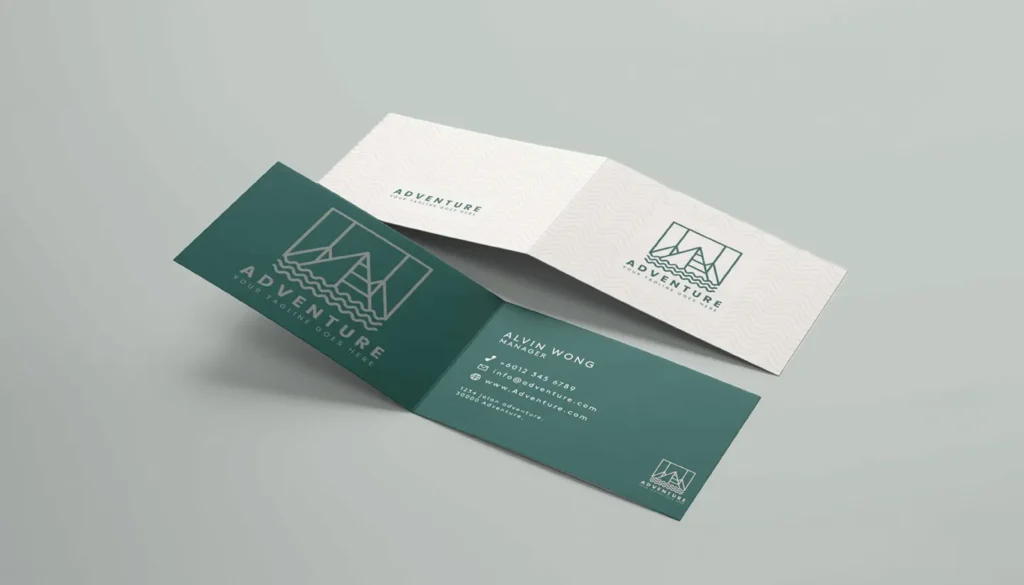
The best printing press for any job depends entirely on what is being printed, how many copies are needed, and what finish is required. Business cards need precision, sharp edges, and premium stock. Banners need large format capability and weather-resistant materials.
Package structures must have accuracy, color consistency, and finishes that will ensure the safety of the product inside. Each job requires a different method of production and finding out the proper way to set up each of the methods will ensure high-quality work.
Not all print jobs are the same and not all printing presses can handle all kinds of print jobs. This is the lesson learned by most businesses in Dubai that order their products in places that seem able to do everything yet fail to deliver for some types of product.
While a good printer of business cards does not automatically mean that they can print big format banners. A printing press in Dubai that works for package production will not always provide the edge that your small format card requires.
Print Job Requirements at a Glance
| Print Job | Printing Method | Key Requirement | Finish Options |
| Business Cards | Offset or digital printing | Sharp edges, color accuracy, premium stock | Matte, gloss, soft touch, spot UV, foil |
| Banners | Large format digital printing | Weather resistance, color vibrancy, size accuracy | Matte, gloss, mesh, laminated |
| Packaging | Offset printing or digital | Structural accuracy, consistent color, food-safe options | Gloss, matte, lamination, embossing |
| Flyers | Offset or digital printing | Color accuracy, paper weight, finish | Gloss, matte, uncoated |
| Stickers and Labels | Digital printing | Adhesive quality, material suitability | Clear, white, kraft, waterproof |
Business Cards: Where Precision and Finish Matter Most
One of the most technologically challenging printing products to manufacture because of its size and nature is business cards. An item that is small-sized and handed directly to a person requires high-quality printing in all of its aspects. Small imprecisions in terms of color, edge trimming, coating can easily become noticeable when an item is viewed up close, which is not the case for large format items.
Offset best printing press is preferable for mass production of business cards in cases when color uniformity among hundreds of business cards is necessary.
On the other hand, high-quality digital printing is preferable for the quick manufacture of small amounts of business cards. Standard business cards’ stock weight is 350gsm to 400gsm. Coatings for business cards may include such types as matte lamination, gloss, soft touch and spot UV.
Printing services Dubai manufacturing quality business cards will compare colors with Pantone or CMYK values rather than guessing them based on the screen and also will check bleed and safe zones before printing. In addition to that, a physical proof will be provided for larger or more complicated orders. It prevents most common issues associated with the manufacture of business cards.
Banners: Large Format With Material Matched to Environment
Banner printing is an entirely different kind of production process when compared to business card printing. This print is made using large format digital printers, using wide format ink systems and substrates appropriate for their respective environments. For example, the printing press in Dubai that makes excellent banners will have large format capability, knowledge of the appropriate material for either indoor or outdoor application, and finishing capabilities for eyelets, hemming, and pole pockets. For larger promotional campaigns, custom printed banners offer a practical way to carry the same brand message across outdoor spaces while keeping the design clear and visually consistent.
The major considerations in the case of banner printing include the choice of material and finishing:
- Banners meant for outdoor display will require the use of heavy duty vinyl, usually 13oz to 18oz, with the inclusion of UV resistant ink and lamination because of the direct sun rays and the heat in Dubai
- Vinyl mesh is recommended for large outdoor prints in areas where there is wind resistance
- Indoor banners will be produced using either light duty vinyl or fabric, depending on the specific environment in which they will be put up
- The use of fabric is increasingly becoming common with indoor displays because of the reduction in glare when lit by artificial light sources
Large format printing is widely used for outdoor advertising because it delivers high visibility at scale. The material specification needs to match the actual environment the banner will face, not just what seems reasonable at the time of ordering.
Packaging: Structural Accuracy and Color Consistency at Scale
Printing on packages is the most technologically challenging of the three due to the fact that the print on the packaging serves as a structure that must be able to fold, fit together, and stay in place.
An example of a package that looks good in terms of its printing but doesn’t fit well or where the scores do not line up with the folding lines is an example of a product quality problem rather than a printing quality one.
For packages, the best printing press is the one that can produce high-quality prints while ensuring proper structuring in terms of die cuts and scoring. Offset printing is best for packaging printing due to the ability to produce consistent color quality at a higher quantity.
This is due to the fact that packaging requires heavy weights of boards. Digital printing works well for smaller packaging print jobs.
Other finishing options that can be done for packaging include matte laminations, gloss laminations, spot UV, embossing, and debossing. Other specifications when it comes to packaging which will come into contact with food products include food safe ink and coatings.
Practical Tips for Briefing Each Job Type
- For business cards, always provide CMYK or Pantone color references and specify the stock weight and coating in the initial brief
- For banners, confirm whether the application is indoor or outdoor before specifying material, as this decision affects everything else
- For packaging, always request a physical die-cut flat proof before approving the full production run to check that the structure assembles correctly
- Keep consistent branding across business cards, packaging, flyers, and advertising materials for stronger overall brand recognition
- For any job requiring color accuracy, request a printed proof rather than relying on a screen-based digital proof for final approval
- When ordering multiple product types from the same supplier, confirm that they genuinely have in-house capability for each rather than outsourcing specific jobs to third parties
FAQs
What is the difference between offset and digital printing for business cards?
Offset printing produces the most consistent color quality across large quantities and is preferred for business card runs of 500 or more. Digital printing suits smaller quantities, usually under 500, where quick turnaround and lower minimum orders over cost per card.
What vinyl weight is recommended for outdoor banners in Dubai?
For outdoor banners in Dubai’s climate, 13oz to 18oz vinyl with UV-resistant ink and lamination is the standard recommendation. Lighter vinyl degrades faster under consistent heat and direct sun exposure. Mesh vinyl is recommended for large banners in exposed locations where wind load is a concern.
How does packaging printing differ from standard flat printing?
Packaging printing requires both print accuracy and structural accuracy in the die cutting and scoring. The printed piece needs to fold, assemble, and hold its shape correctly in addition to looking right on the surface. This structural requirement makes packaging production more technically demanding than flat format printing.
Can the same printing press handle business cards, banners, and packaging?
Most professional printing operations have different equipment for different job types. Large format digital printers handle banners. Sheet-fed offset or digital presses handle business cards and packaging. A full-service printing company typically has multiple machines rather than one press that handles everything.
What finish is most popular for business cards in Dubai?
In Dubai’s corporate scene, matte lamination with spot UV is a popular premium finish for business cards. The contrast between the flat matte surface and the glossy UV element over the logo creates a tactile and visual impression that communicates quality without being overly decorative.
How do we ensure packaging color matches our brand across different print runs?
Providing CMYK or Pantone color references and requesting a printed proof before each production run are the most reliable methods. Some suppliers maintain color profiles for returning clients which makes reorders more consistent without requiring full re-approval of every element.
What lead time should be expected for packaging printing compared to standard flat printing?
Packaging typically requires longer lead times than flat printing because of the additional production steps involved in die cutting, scoring, and assembly testing. Standard flat print jobs like business cards or flyers might take three to five working days while packaging often takes seven to fourteen days depending on complexity and quantity.
Matching the Right Production Process to Each Job
Printing and advertising products have significant relevance in the presentation of the organization at all points. A business card is held in the hands. A banner is viewed from afar. Packaging is felt before ever seeing what’s inside the packaging. Each is different in its purpose and each demands a particular approach to production in order to communicate effectively.
Services of printing services Dubai differ significantly in terms of what each does particularly well within their organization. It doesn’t matter which best printing press offers across the board. The best printing press for the job aligns its production capabilities and processes with the specific requirements.
Color Print collaborates with organizations from Dubai on business cards, banners, packaging and a whole array of printing products where the production requirements match the needs of the job. The purpose is always to end up with a product which performs exactly as intended.