


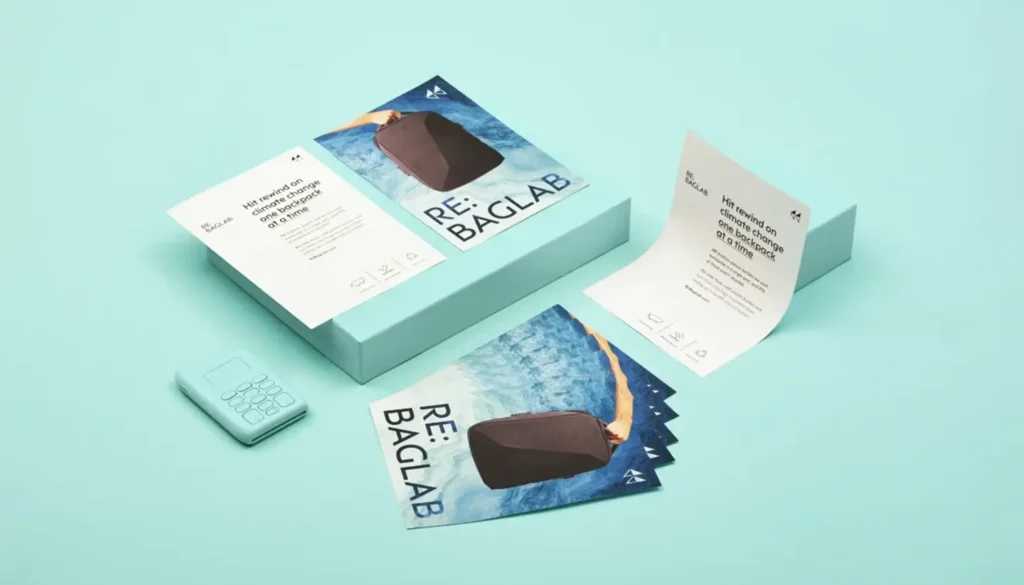
In custom flyers printing, GSM refers to paper weight, coating refers to the surface finish applied to the paper, and paper type refers to the base stock used.
The combination of these three aspects is the determinant of the feel, durability, color printing and overall quality of the flyer in question. Making the right choices about these three things at once will save you time and money and give you better results.
Most companies placing their first flyer orders usually concentrate on the design aspect only. Colors, fonts, text, images, everything is important indeed. But there is another level of making decisions beneath the surface, influencing the performance of the final result.
If you take a well-designed flyer printed on too light-weight paper, it will not feel premium. And a design printed on the right paper with the right coating looks better and lasts longer. Custom flyers printing in Dubai requires knowledge of GSM, coating and paper to make sure your flyer works properly.
Flyer Paper Specifications Comparison
| Specification | Light | Standard | Premium |
| GSM Range | 80gsm to 115gsm | 130gsm to 170gsm | 200gsm to 350gsm |
| Feel | Thin, lightweight | Solid, professional | Thick, premium |
| Best For | Mass distribution, inserts | General marketing flyers | High-end promotions, menus |
| Coating Options | Uncoated or light gloss | Gloss or matte | Matte, gloss, soft touch, spot UV |
| Cost | Lowest | Mid-range | Higher |
What GSM Actually Means for Custom Flyers Printing in Dubai
The GSM acronym stands for grams per square meter. It is the unit of paper measurement that describes how dense the paper is in a way that higher GSM values represent denser paper. For example, high GSM paper tends to be thicker while low GSM paper is relatively thinner.
As regards flyers printing in Dubai, it can be said that businesses operate with GSM numbers from 115 gsm to 170gsm when printing standard marketing flyers. Here’s how particular GSM ranges can be evaluated and described in practice:
From 80 gsm to 115 gsm: It is the weight of standard office paper. At such weight, flyers tend to have a lightweight and disposable feel. They fold well, don’t keep their form when distributed by hands, and communicate budget printing as opposed to professional. This GSM range is used for mass distributions of flyers where price per one piece is the main factor.
From 130 gsm to 150 gsm: This is the weight range of most professional flyers. At this weight, paper has some body and does not flop when held. Colors are printed clean.
170gsm to 200gsm is beginning to feel more solid. This type of paper can be used for promotion flyers which have to be handed out at an event, a restaurant or retail business where the flyer adds something extra to the overall impression of the brand.
250gsm to 350gsm is the stock used to make cards. This makes the flyer very similar to a postcard or menu card.
What Coating Does to a Flyer
The surface treatment that is done after the printing of the papers is the coating process.
Coating changes the visual presentation of the color, the texture of the surface, the fingerprint resistance, and durability of the flyer. There are four types of coatings that can be used by the advertising company in Dubai.
- The first one is the gloss coating that provides the flyer with a shining and glossy texture. Colors become more vivid and saturated on gloss than on any other texture. Pictures and full-color graphics become especially readable because gloss coating allows the ink to get registered in a more accurate way. The downside of this kind of texture is the appearance of fingerprints.
- The second kind is matte coating. The matte coating creates a surface without any shine. Colors on this texture are not as vivid as on the glossy surface, but the result is more premium and sophisticated. Also, matte coating doesn’t get fingerprints in contrast with gloss coating. So, this kind of surface is used widely for flyers that will be handled a lot.
- The soft-touch laminate is an advanced matte option that has a somewhat velvety and rubber-like finish. It makes the surface distinct from the usual matte and gives an effect of tangible feeling. Soft touch laminating is an expensive technique, but it is used when the tactile perception of the flyer plays a crucial role in the message conveyed by the brand.
- The uncoated paper has no special coating. Due to this difference, the print looks warmer on this paper type. Uncoated paper is typically used in case of kraft design and natural look brands’ flyers.
Paper Types Explained Simply
Beyond GSM and coating, the base paper type also affects the outcome. The three types that come up most often in custom flyers printing are:
Art paper is a coated stock widely used for commercial flyer printing. It produces sharp color, accepts both gloss and matte coating well, and is the standard for most marketing and promotional flyers. Offset printing on art paper at scale is cost-efficient and produces consistent results across large runs.
Silk paper is a semi-gloss stock that sits between gloss and matte in terms of surface reflectivity. It prints with good color accuracy and has a smooth, slightly sheen surface that many brands find more refined than full gloss without going fully matte.
Kraft paper is an uncoated natural brown stock associated with artisan and eco-friendly brand aesthetics. Printing on kraft limits color reproduction because the brown base affects how inks read. Single or two-color designs typically work better on kraft than full-color layouts.
Practical Tips for Getting the Specification Right for Custom Flyer Printing
- Choose GSM based on how long the flyer needs to survive in the real world, not just how it looks on screen
- If the flyer will be handled frequently or displayed in a rack, go for 150gsm minimum
- Use matte for text-heavy layouts and photography that needs to be readable without glare
- Use gloss when color vibrancy and visual impact are the priority
- Confirm paper type and coating with the supplier before approving the proof so what arrives matches what was expected
- For large outdoor advertising applications like posters and large format banners, material specifications differ entirely from standard flyer stock and should be briefed separately
FAQs
What GSM is best for standard marketing flyers in Dubai?
Most marketing custom flyers printing are on 130gsm to 150gsm stock. This weight feels professional, holds its shape when handed out, and prints cleanly with both gloss and matte coatings. Lighter weights tend to feel disposable and heavier weights increase cost without always adding proportional impact for standard flyer use.
Does coating affect how colors look when printed?
Yes significantly. Gloss coating makes colors appear more vivid and saturated. Matte coating produces slightly more subdued colors but with a premium flat finish. The same design file will look noticeably different on gloss versus matte, which is why requesting a printed sample before confirming a large run is always worth doing.
Is matte or gloss better for flyers with a lot of text?
Matte is generally better for text-heavy layouts because it eliminates glare and makes reading easier in different lighting conditions. Gloss can create reflections that make text harder to read when the flyer is held at certain angles, particularly under direct light.
What paper type is used for eco-friendly flyers?
Recycled paper stock or uncoated kraft paper is commonly used when sustainability is a priority for the brand. These options have a more natural feel and visual appearance than coated art paper, though they limit the vibrancy of full-color printing.
Can the same design be printed on different paper stocks for comparison?
Yes and this is often worth doing for first-time orders where the specification isn’t certain. Requesting short samples on two or three different paper types allows a direct comparison before committing to a full print run.
Does a higher GSM always mean better quality for flyers?
Not automatically. The right GSM depends on the purpose of the flyer. A 170gsm flyer for a restaurant menu makes sense. The same weight for a mass-distribution street flyer adds cost without adding meaningful value. Matching GSM to purpose is more important than always choosing the heaviest available option.
What printing method is recommended for large-volume custom flyer orders?
Offset printing is preferred for high-volume custom flyer production because it produces consistent color quality across thousands of copies at a lower per-unit cost than digital printing at scale. Digital printing suits smaller runs where flexibility and fast turnaround matter more than cost per piece.
Getting the Specification Right Before the Order Is Placed
Flyers and advertising prints are integral to brand communication of businesses, and flyers happen to be one of the most used forms by businesses for their events and promotions.
Specifying decisions, GSM, coating, and choice of paper are some of the factors that will define whether the flyer will work as expected for the brand after reaching the right audience.
Our advertising company in Dubai helps businesses for flyers printing in Dubai where specifying takes place right at the beginning of the process with an aim to deliver a flyer that is well made and delivers in real world conditions.